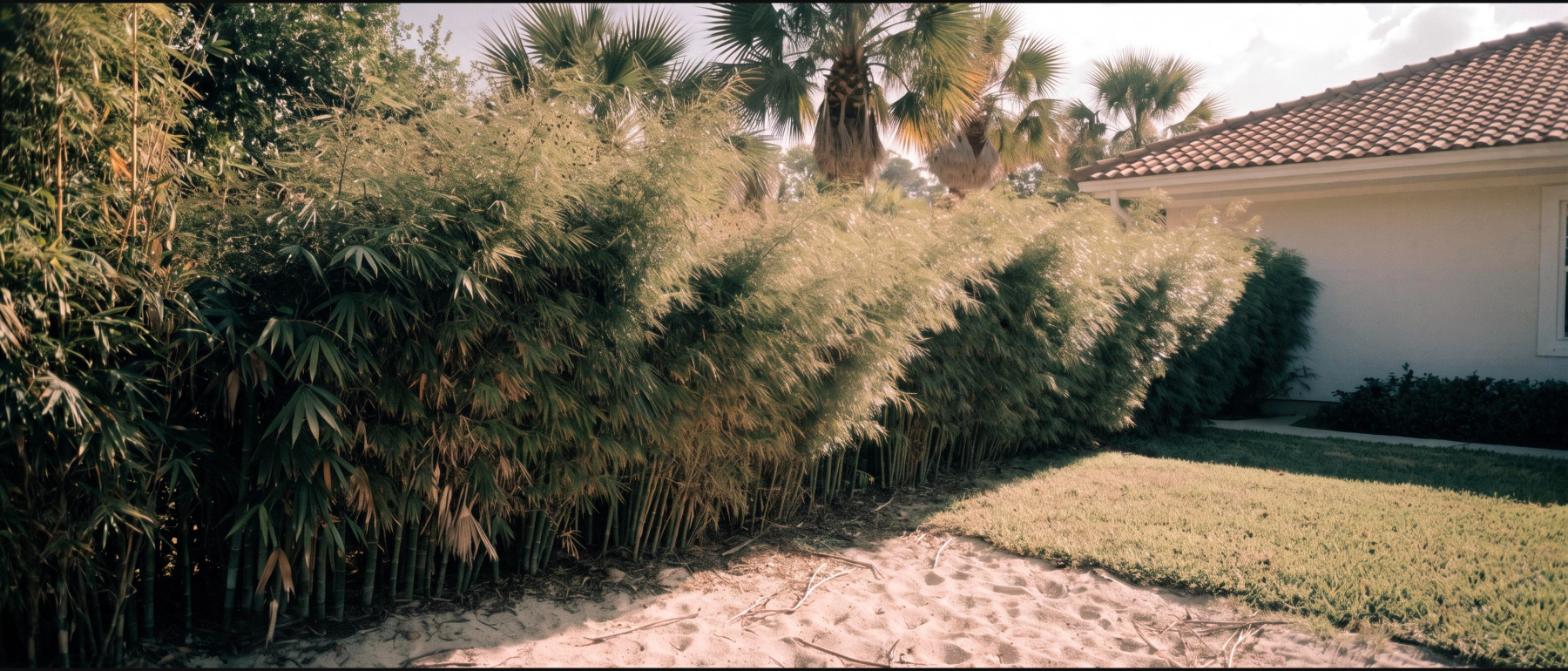
Anyone who has replaced a wood privacy fence on the Treasure Coast knows the cycle. It goes up looking sharp, the sun and humidity get into it, a named storm takes a panel or three, and somewhere around year twelve you are pricing the whole run again. Vinyl lasts longer and still catches wind like a sail.
A planted boundary is the alternative people keep circling back to, and in our climate it is a much better fit than it is in most of the country.
Wind Is the Argument, Not the Aesthetics
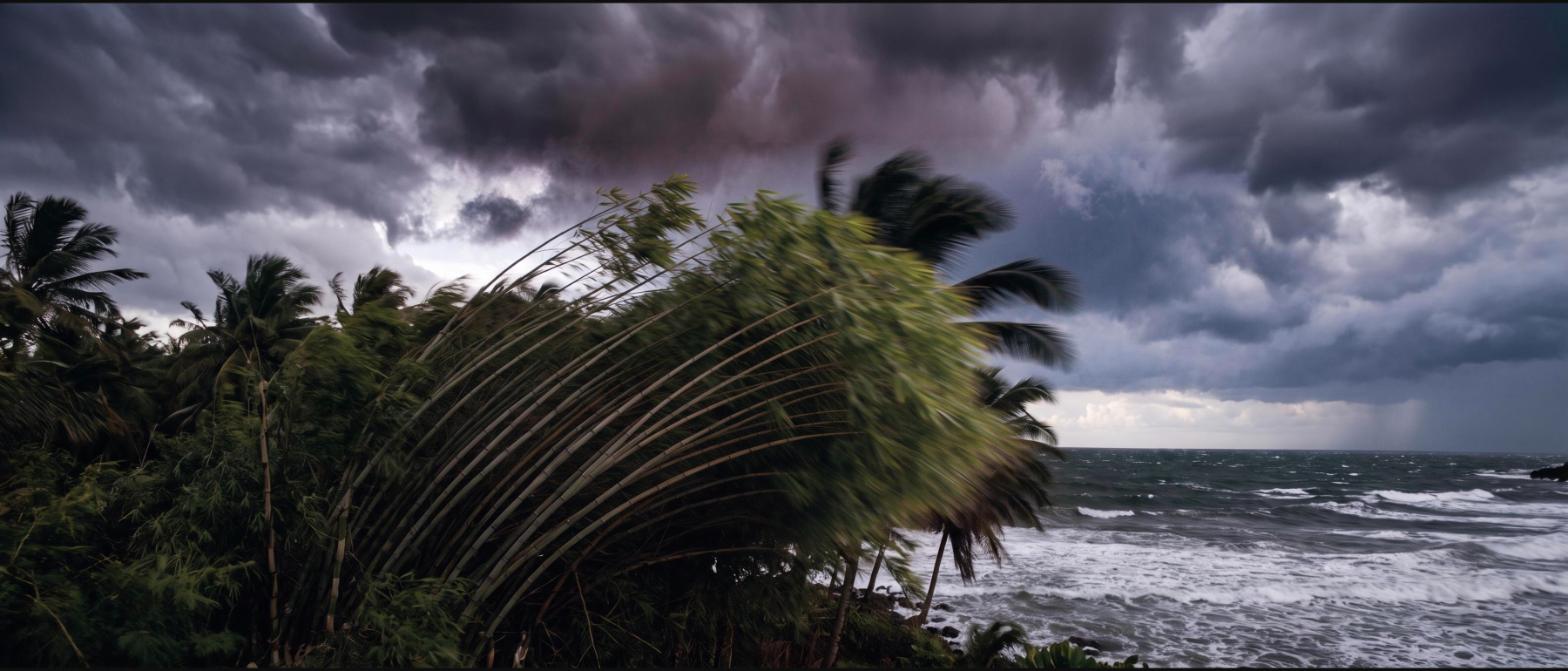
A solid fence is a flat plate perpendicular to the wind. It has to resist the entire load or fail, and in a bad blow it fails at the posts, which is the expensive part. Bamboo does the opposite — it bends, spills the load, and springs back. Culms will snap and leaves will strip in a serious storm, but you are usually looking at cleanup and regrowth rather than a replacement quote.
Worth being straight about: this is not a hurricane plan. Nothing in the yard is. Mature bamboo can and does come down in major winds, and anything tall near a roofline or a power drop deserves thought before planting. It simply fails more gracefully and cheaply than a fence does.
Clumping Only — This Part Matters in Florida
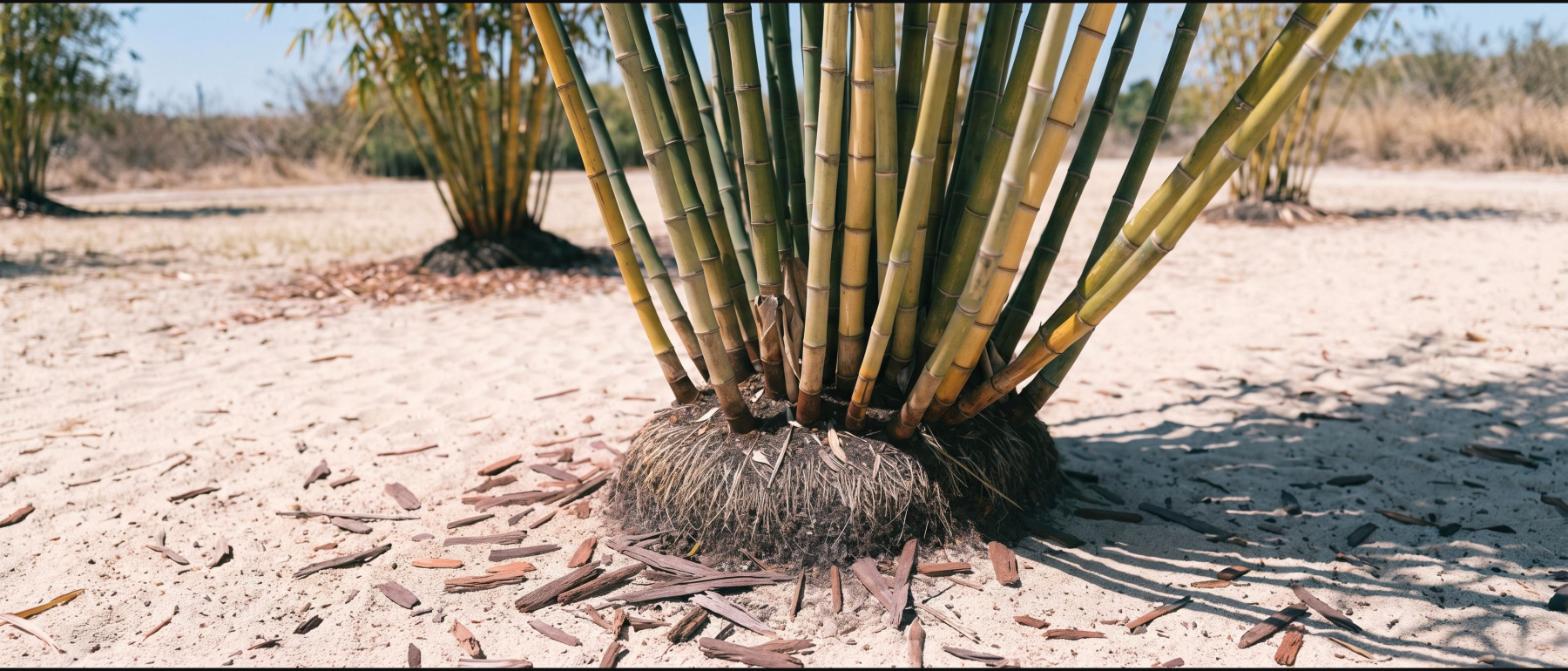
Bamboo comes in two types. Running varieties spread by underground rhizomes and will cross a property line, and Florida already has naturalized running bamboo causing problems in natural areas. Clumping types expand a few inches a year from a tight crown and stay where you put them.
Our climate is the good news here: the tropical clumping species, mostly in the Bambusa group, genuinely thrive in zone 9 and 10 heat and humidity — unlike the cold-climate clumpers that dominate most online advice. Anyone planning a clumping bamboo fence should confirm the botanical name on the tag rather than trusting a nursery label that just says “bamboo.”

Watch: Clumping Bamboo Privacy Plants in Florida (YouTube)
Before You Buy
Check your HOA and any deed restrictions first. Plenty of Martin County communities have approved-plant lists, and some write bamboo out entirely without distinguishing clumping from running — that is a conversation to have before the plants arrive, not after.
Then the practical items: sandy soil here drains fast, so new plantings need consistent water and a good mulch ring through the first two summers. Set the row far enough off the line that mature clump width stays on your side. And expect two to three seasons before it screens properly.
It is slower than a contractor and a weekend. It is also the version you are not replacing after the next storm season.